During a car inspection after an accident, technicians focus on structural damage, safety systems, suspension, wheels, and hidden electronics to confirm your vehicle stays safe and roadworthy. They look beyond cosmetic damage, so you avoid surprises the next time you brake hard or hit a rough stretch of road.
Motor vehicle crashes injure millions of people in the US alone every single year, according to the Department of Transportation. That number highlights why careful inspection and repair are crucial for road safety post-accident and for your peace of mind.
What Do Technicians Look At During a Car Inspection After an Accident?
A technician starts with a walk-around and a quick accident damage assessment. They look at body panels, gaps between doors and fenders, and the way doors, the trunk, and the hood open and close.
This first scan tells the technician whether the crash affected the car’s basic structure or mainly caused cosmetic damage. They then step inside and check seat tracks, steering wheel position, and how the dashboard and center console sit.
Anything that looks shifted or twisted can signal more serious damage.
This early stage of a post-accident car inspection sets priorities for the rest of the visit and helps the shop protect you from unsafe hidden problems.
How Do Technicians Check for Hidden Structural Damage?
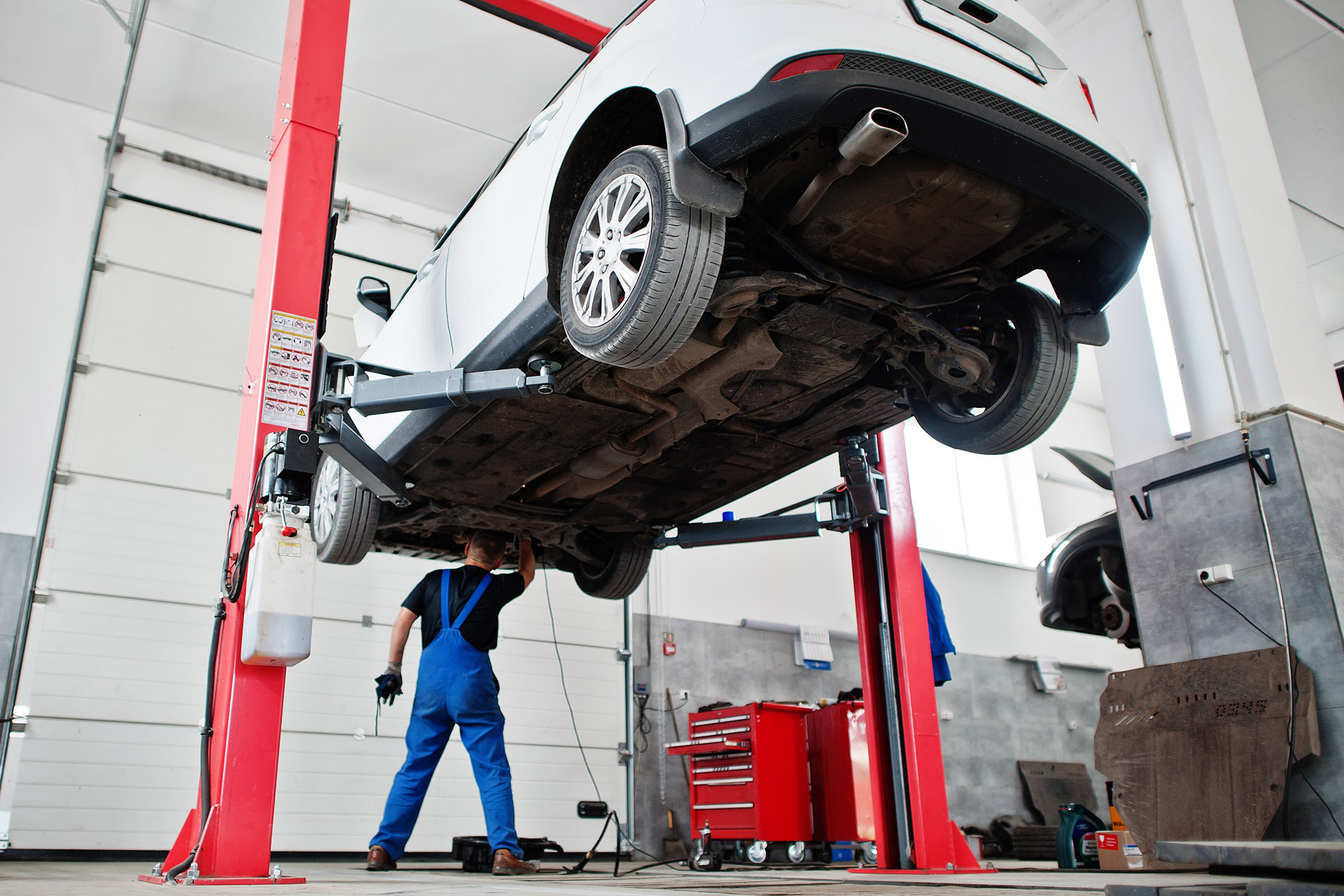
Next, the shop moves your car onto a lift or frame machine. The technician checks the frame rails, crumple zones, and underbody for bends, ripples, or fresh metal stress marks.
When the structure shifts even a little, it can affect handling, braking distances, and tire wear long after the crash.
They also measure key points on the chassis and compare them against factory specs. Misalignment in these hidden areas can cause vibrations, pulling, or poor alignment that you might not link to the original impact.
A thorough accident damage assessment always includes this under-the-skin look at the skeleton of the vehicle.
How Are Steering And Suspension Checked After An Accident?
Suspension and steering components take a huge hit even in “minor” collisions. Technicians inspect control arms, tie rods, struts, shocks, and bushings for bends or play.
Any looseness or distortion in these parts can turn normal driving into a serious risk at highway speeds.
They check the steering rack, steering column, and wheel alignment to make sure the car tracks straight and responds smoothly. If the vehicle pulls, wanders, or feels unstable, the shop recommends repairs right away.
A careful inspection checklist for this area directly supports road safety post-accident and protects your tires and brakes from extra strain.
How Do Technicians Inspect Brakes, Tires, and Wheels?
After the structure and suspension, the technician turns to brakes and wheels. They measure brake pad thickness, inspect rotors for hot spots or cracks, and check for fluid leaks.
Effective braking gives you the final layer of protection after a crash, so technicians never skip this step.
They then look at tire tread, sidewall bulges, and unusual wear patterns. Impact with curbs or other vehicles often bends wheels or damages tires, even when you still see plenty of tread.
This part of the post-accident car inspection helps prevent blowouts and gives you more predictable stopping distances in emergencies.
Why Do Safety Systems Need Special Attention?
Modern cars carry complex airbag, sensor, and driver-assist systems. Technicians scan the vehicle with factory-approved diagnostic tools to read fault codes and confirm that sensors, cameras, and control modules work correctly.
If any safety system fails to trigger or triggers at the wrong time, your risk in a future crash increases sharply. They check:
- Airbag system status
- Seat belt pretensioners
- Crash and impact sensors
- Advanced driver assistance modules
This focus on active and passive safety highlights the real importance of car repair after even low-speed impacts. You protect not only the car but also everyone who rides in it.
How Do Technicians Use an Inspection Checklist and Diagnostics?
Every quality shop follows a structured inspection checklist. The technician logs each area checked, notes damage, and records recommended repairs.
A written list keeps everyone aligned, from estimator to technician to insurance adjuster, so nothing falls through the cracks. Diagnostic scans support the visual work.
The technician reads live data from the engine, the transmission, the ABS, and the stability control systems. Hidden electrical issues often show up here, even when no warning light glows on the dashboard.
This process supports car repair as more than cosmetic work and ensures the vehicle behaves the way the manufacturer intended.
Frequently Asked Questions
How Long Does a Professional Inspection Take?
Most full inspections take a few hours, depending on the damage level and the complexity of your vehicle. More advanced models with many electronic systems may need extra diagnostic time, especially after a major collision.
Do I Need an Inspection After a Minor Fender Bender?
Yes. Even a low-speed impact can bend suspension parts, misalign the frame, or damage sensors. You may not feel the change right away, but problems can appear over time through uneven tire wear, vibrations, or longer stopping distances.
Will A Post-Accident Inspection Affect My Insurance Claim?
A detailed report from a certified shop often strengthens your claim. The report documents all visible and hidden damage, which helps the adjuster understand repair needs and supports fair coverage for you.
Can I Drive My Car Before the Inspection?
You should only drive if the vehicle looks stable, the wheels turn freely, and no vital fluids leak. If anything feels off with the steering, brakes, or lights, arrange towing to the shop instead of taking risks on the road.
Getting Back On The Road With Confidence
A quality car inspection after an accident protects you from hidden damage, supports your safety, and preserves the value of your vehicle. Thorough checks of structure, suspension, brakes, and safety systems give you confidence that your car will take care of you on the road ahead.
At Prestige Imports Collision Center in Lakewood, CO, factory-trained and I-CAR-certified technicians perform detailed inspections and repairs for all makes and models, with special expertise in luxury and electric vehicles.
If you have been in a crash, schedule an appointment or call (303) 238-7391 today so the Prestige team can inspect your vehicle, guide you through repairs, and help you get back behind the wheel with complete confidence.