Average vehicle maintenance and repair spending across the US is around $1,160 (according to data from the Bureau of Labor Statistics). It’s important to note that while this is an average, the amount you spend can vary significantly based on several factors.
Smaller damage (like dings and dents) is usually not too difficult to deal with. These are mostly superficial, so many drivers don’t actually rush to get car dent repairs.
However, like many small issues with vehicles, if these are left unattended, they could lead to much larger problems in the future. The result could be compromised safety, performance, and value, none of which is ideal.
In this article, we’ll take a look at some lesser-known car dent risks and explain why professional repair services can be so important. Let’s get started.
The Hidden Dangers of Car Dents
A dent might only look like an issue on the outside. However, there are some potential risks that you might not have thought about.
Corrosion and Rust Formation
One of the most common issues that comes from untreated dents is corrosion. Dents often comprise the protective paint layer of a vehicle. Once this layer is broken, the metal beneath is exposed and could be infiltrated by substances like:
- Moisture
- Dirt
- Salt
Dent rust isn’t just an appearance issue. It can significantly weaken the structural integrity of materials, and it may spread fast if left untreated.
A minor dent can quickly become a large bodywork repair. In some cases, it can even present safety hazards.
Reduced Value
It’s likely that at some point you’ll want to sell your vehicle. When this day comes, you’ll try to get as much as you can for it.
Visible dents can have a sizable impact on the value of a car. Whether selling to a dealership or an independent buyer, they’ll factor in dent damage when determining how much they’re willing to spend.
When doing this, they won’t just think about the damage they can see, but also any potential issues that may have appeared since the dent occurred. Additionally, they’ll likely question how well the vehicle has been maintained overall. If someone hasn’t repaired a dent, what other issues have they ignored?
Compromised Safety
While it’s not too common, one of the biggest risks of leaving a dent untreated is that it can compromise your vehicle’s safety. Modern vehicles are designed with advanced crumple zones and reinforced panels to absorb and redirect energy during a crash. A dent may disrupt these structures, and this can cause your vehicle to react differently in a future accident.
Additionally, small dents in areas like bumper covers or fenders can interfere with your vehicle’s sensors. This may affect safety systems, such as:
- Parking assist
- Blind-spot monitors
- Lane-keeping aids
Professional repair is crucial if you want to avoid such risks, even if the damage seems insignificant.
Types of Dents: What You Should Worry About
Not all dents are the same. Knowing the different types will help you understand the potential implications.
Round Dents
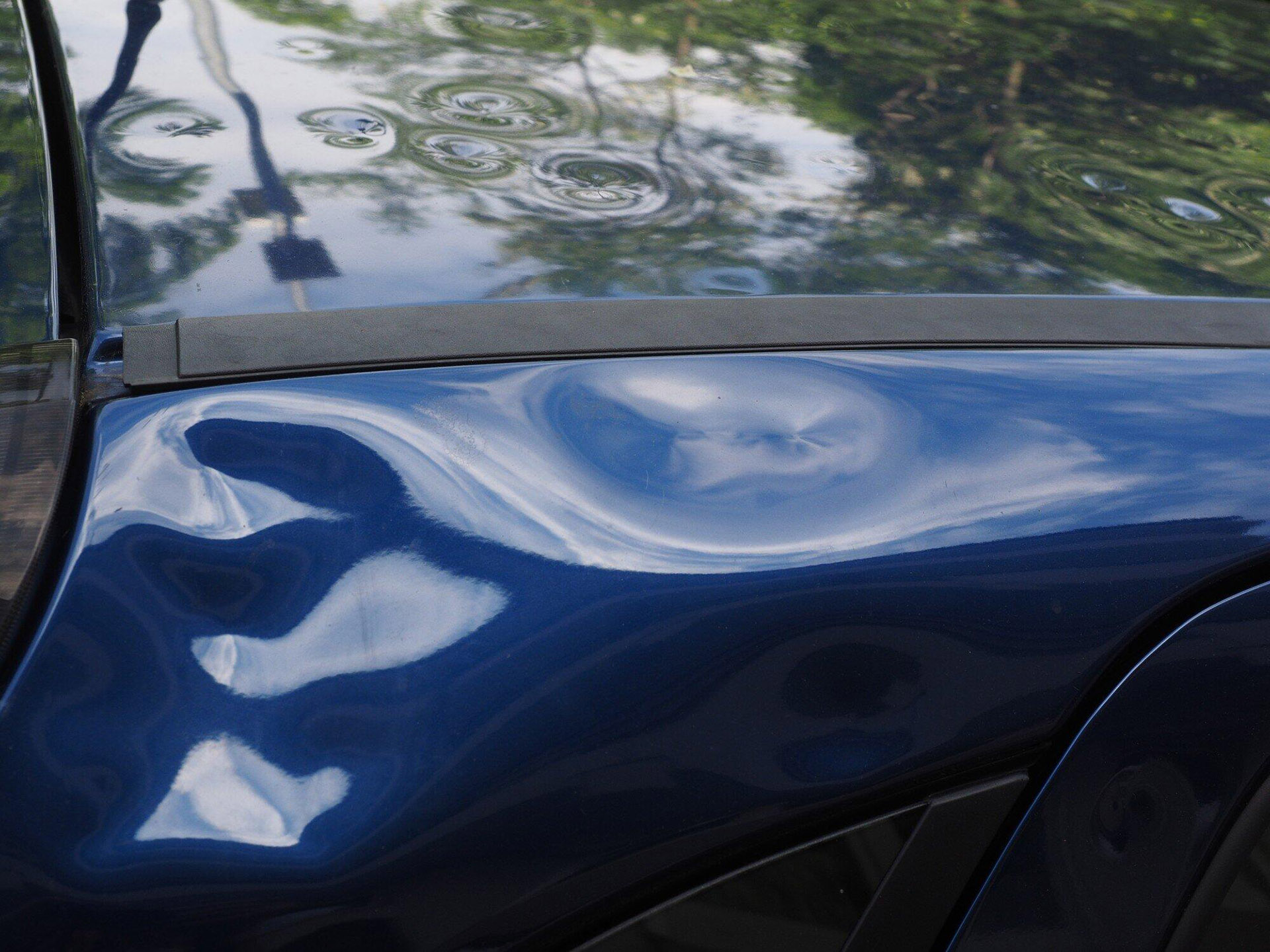
These usually come from small objects like rocks or hailstones. They’re typically quite small, but can still lead to chipped paint and eventual rusting.
Crease Dents
Crease dents usually come from more forceful impacts. In many cases, there will be deeper damage beneath the surface. They can stress the metal and tend to require more expensive dent removal techniques.
Sharp Dents
Sharp dents come from harder impacts, commonly from objects like doors or shopping carts. They have clear entry points, which often cause paint damage. These will usually rust very quickly if they’re not dealt with.
Multi-point Dents
These are more complex and typically occur in vehicle collisions. They may affect structural areas of the vehicle, so if your car has one of these, you should seek out a professional auto body repair shop immediately.
Why You Should Avoid DIY Repairs
A dent may not seem like much. Because of this, you might be tempted to try to repair it yourself. There are DIY dent kits out there, and you can find online tutorials, so why not take this simple approach?
While this may be an acceptable solution for extremely minor dings, DIY solutions are rarely suitable for most dents or underlying damage. Improper repair techniques can:
- Stretch or warm the metal
- Crack or bubble the paint
- Make the damage worse
- Void your vehicle’s warranty
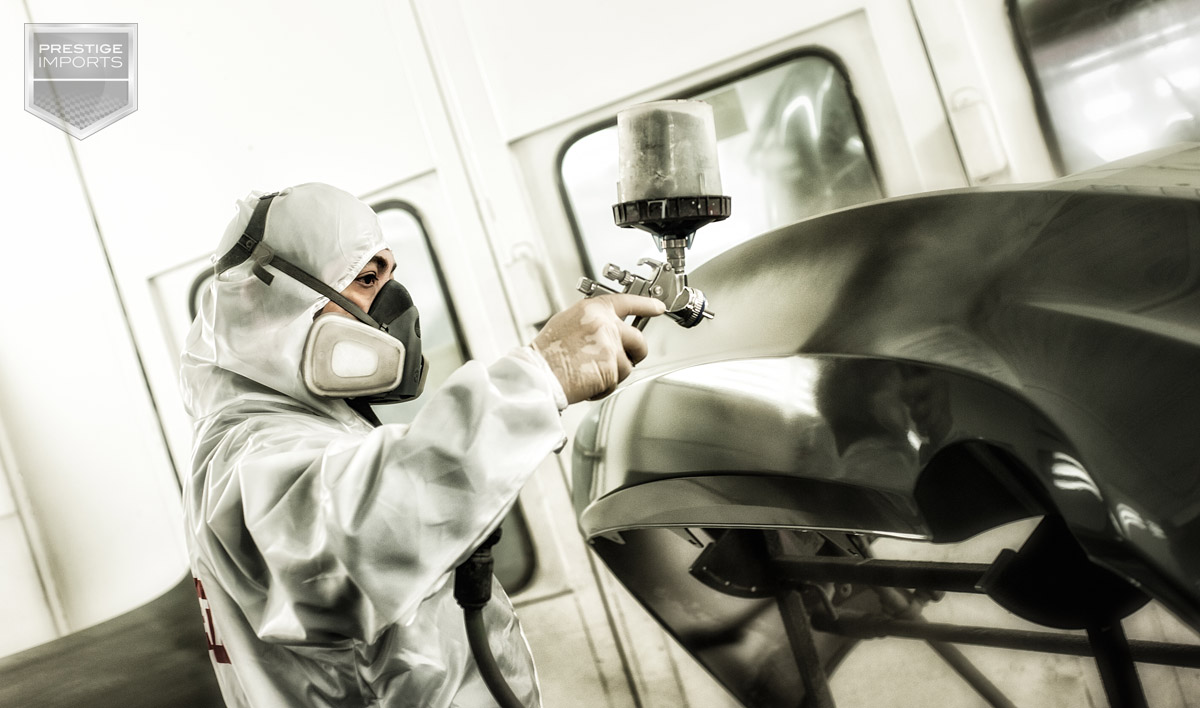
Professional technicians know how to repair dents effectively without causing any of these issues. At Prestige Imports Collision Center, all of our technicians are fully trained and qualified. Additionally, we use advanced tools and techniques like paintless dent repair to restore the appearance of your vehicle without compromising its integrity, ensuring a flawless finish.
When Should You Get a Dent Repaired
To put it simply, the best time to get a dent repaired is as soon as you can. If you delay your repairs, the damage will only get worse, leading to issues such as:
- Paint worsening
- Rust development
- Potential safety risks
- Increased repair costs
No matter how small or insignificant a dent seems, waiting is never the answer. The team at Prestige Imports Collision Center is prepared to help with your vehicle restoration needs. We can carry out a quick assessment of the damage and recommend the best strategy to repair your vehicle without breaking the bank.
Additionally, we can help you deal with your insurance provider should you need it. Making a claim can be complicated and stressful. We can liaise with your insurance provider to take care of any necessary documentation and ensure you get the compensation you deserve.
Professional Car Dent Repairs
Big or small, car dent repairs can have a much larger impact on your vehicle. Prompt repairs will keep your vehicle in good shape and help you avoid much larger problems. Don’t wait around, reach out to the team at Prestige Imports Collision Center now.
All of our technicians are I-CAR certified and have extensive experience with all kinds of auto body repair techniques. Our repairs are also covered by a Limited Lifetime Warranty, so you can be confident in any work we do.